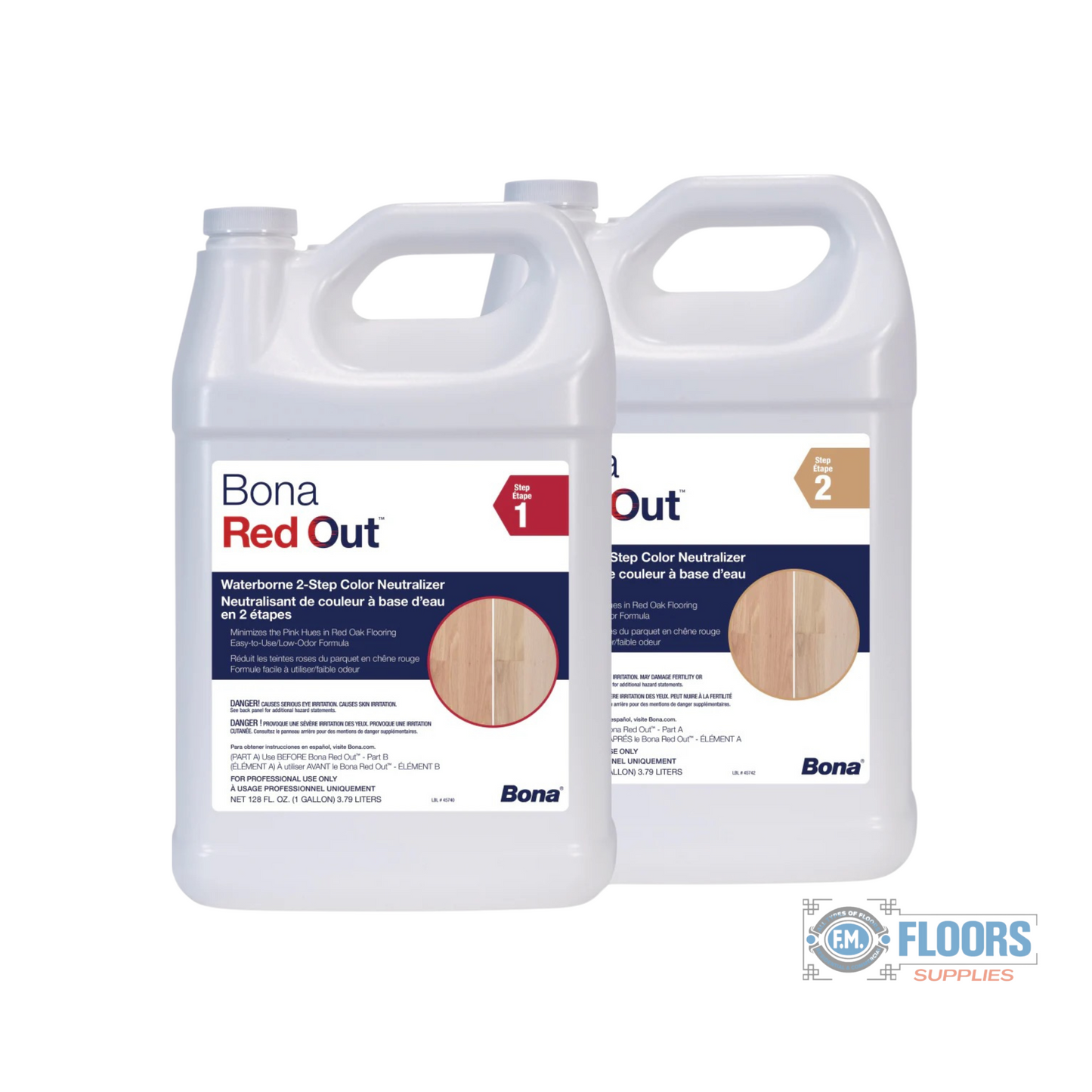

Bona Red Out – Waterborne Hardwood Floor Color Neutralizer | Part A & B
Bona Red Out – Waterborne Hardwood Floor Color Neutralizer | Part A & B
Bona Red Out is a professional two-step waterborne color neutralizer designed to reduce unwanted red and pink tones in hardwood flooring, especially red oak. This innovative treatment helps transform reddish hardwood floors into a lighter, more natural appearance that resembles white oak.
Featuring a simple Part A and Part B application process, Bona Red Out minimizes red and pink undertones while preparing the wood for staining, sealing, and finishing. Its low-odor, quick-drying formula is compatible with the Bona Finishing System and can also be used with other compatible wood floor finishing products.
Ideal for hardwood floor refinishing projects where a lighter, contemporary wood appearance is desired.
Key Features:
-
Two-step waterborne color neutralizing system
-
Reduces red and pink tones in red oak flooring
-
Helps achieve a lighter, white oak-inspired appearance
-
Suitable for multiple wood species, including red oak and Brazilian cherry
-
Low-odor formula
-
No limited pot life
-
Can be diluted with water for a less intense effect
-
Compatible with the Bona Finishing System
-
Suitable for residential and commercial flooring projects
Product Specifications:
-
Brand: Bona
-
Product: Red Out
-
Product Type: Waterborne Color Neutralizer
-
Components: Part A and Part B
-
Package: 1 Gallon Part A + 1 Gallon Part B
-
VOC: 0 g/L
-
Coverage: Approximately 450–650 sq. ft. per gallon
-
Application: Bona Microfiber Roller and Cut-In Pad
-
Drying: Allow to dry overnight before proceeding with the next finishing step.
Application Instructions:
-
Prepare and sand the hardwood floor.
-
Apply Bona Red Out Part A evenly to the raw wood.
-
Allow 10–15 minutes for penetration and eliminate visible puddling.
-
Apply Part B evenly following the same application process.
-
Allow the floor to dry overnight.
-
Proceed with the selected stain, sealer, or floor finish according to Bona's instructions.
IMPORTANT: Never mix Part A and Part B together. They must be applied separately as a two-step treatment.
Share